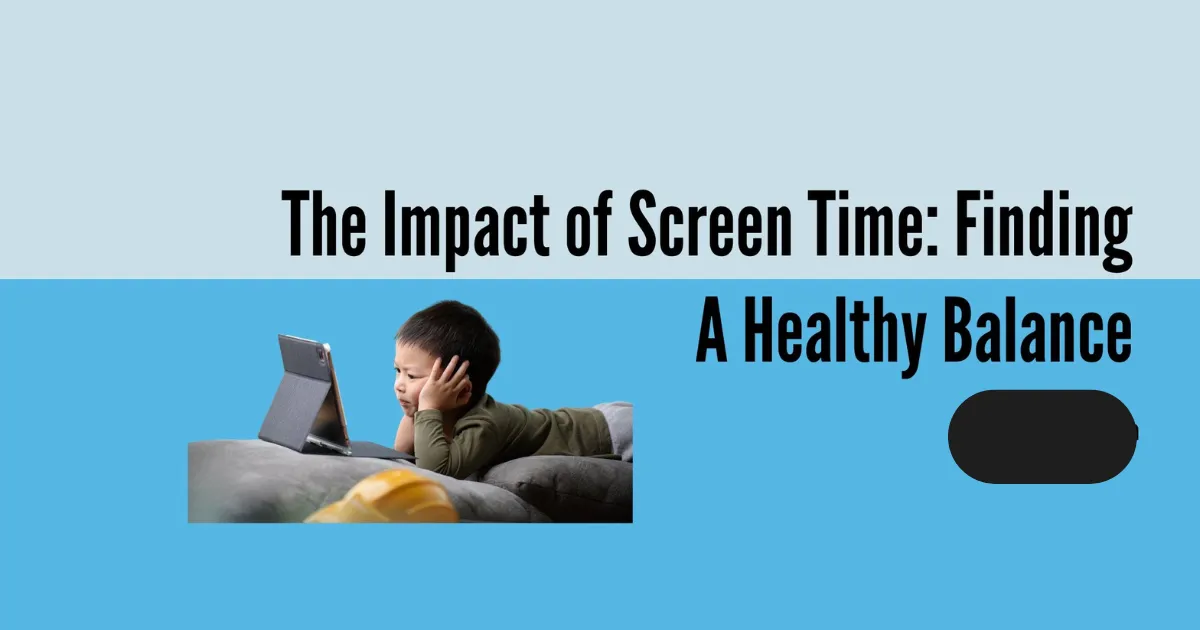
In 2026, the average adult spends nearly 7.5 hours a day staring at a screen. While our devices connect us to the world, they also tether us to sedentary habits that quietly erode our physical and mental well-being. From “tech neck” to disrupted sleep cycles, the cumulative effect of digital consumption is a modern epidemic.
But how do you move from a vague feeling of “I use my phone too much” to actionable health data? This is where the Screen Time Health Impact Calculator becomes your most vital digital wellness ally. By quantifying your exposure, this tool helps you visualize the invisible strain on your eyes, the cortisol spikes from social scrolling, and the hours of movement you’re losing. In this guide, we’ll explore the science behind digital fatigue and show you exactly how to calculate—and mitigate—your personal health risk.
What is a Screen Time Health Impact Calculator and Why it Matters
A Screen Time Health Impact Calculator is a specialized digital assessment tool designed to evaluate the physiological and psychological risks associated with your daily device usage. Unlike a simple “time tracker” found in your phone settings, this calculator cross-references your total hours with health markers like sleep latency, metabolic rate, and musculoskeletal strain.
Why It Matters
Understanding your “digital dosage” is critical because screen time isn’t just about lost hours; it’s about biological interference.
- Melatonin Suppression: High-energy visible (HEV) blue light mimics daylight, tricking your brain into staying awake and ruining your REM sleep.
- The Sedentary Cascade: Every hour spent sitting is an hour your metabolism slows, increasing the risk of obesity and cardiovascular issues.
- Cognitive Load: Constant notifications keep your brain in a state of “continuous partial attention,” leading to increased anxiety and decreased focus.
By using a calculator, you transform abstract habits into concrete health metrics, allowing you to set boundaries before temporary strain becomes chronic damage.
Step-by-Step Guide: How to Calculate Your Health Impact
Using a Screen Time Health Impact Calculator is straightforward. Follow these steps to get an accurate picture of your digital footprint:
- Gather Your Data: Open your smartphone’s native tracking app (Screen Time on iOS or Digital Wellbeing on Android). Note your average daily hours over the last 7 days.
- Categorize Your Usage: Separate your hours into Productive (work/learning) and Recreational (social media/gaming/streaming). The health impact of recreational “doomscrolling” is typically higher due to increased dopamine-loop engagement.
- Input Your Sleep Habits: Note how many minutes before bed you last check your phone. If it’s under 60 minutes, your “Sleep Disruption Score” will increase.
- Evaluate Physical Symptoms: Check off any recurring issues: dry eyes, headaches, or stiffness in the neck and shoulders.
- Calculate the “Active Displacement” Ratio: Subtract your screen hours from your total waking hours. The calculator will determine if your “Movement Window” is sufficient for your age group.
- Review Your Risk Level: The tool will categorize you into Low, Moderate, or High Risk based on 2026 health guidelines.
The Math Behind the Impact: The “Digital Strain” Formula
While the biology of health is complex, researchers often use a simplified “Digital Strain Index” ($DSI$) to quantify the risk. The impact is generally dose-dependent, meaning the longer you stare without a break, the higher the physiological cost.
The basic conceptual formula used by many calculators is:
Where:
-
$H$ = Total Daily Screen Hours.
-
$I$ = Intensity Factor (Recreational content like TikTok/Gaming has a higher $I$ than E-books).
- $B$ = Break Frequency (Using the 20-20-20 rule—every 20 minutes, look 20 feet away for 20 seconds—significantly lowers this value).
- $S$ = Sleep Interference Constant (added if screens are used within 1 hour of bedtime).
The math proves that even a small increase in break frequency ($B$) can exponentially lower your total strain, even if your total hours ($H$) remain high for work.
Real-Life Scenarios: Seeing the Numbers in Action
How do these calculations look for everyday people? Let’s look at three common profiles:
Scenario 1: The Remote Professional (The “Productive Overloader”)
-
Usage: 9 hours (8h work, 1h personal).
-
Habit: Uses a monitor at eye level but forgets to blink.
- Impact: High risk for Computer Vision Syndrome (CVS) and “Tech Neck.”
- Calculation: High $H$, but if they take a break every 30 minutes, their $DSI$ drops by 40%.
Scenario 2: The Social Scroller (The “Dopamine Loop”)
-
Usage: 5 hours (mostly social media).
-
Habit: Uses the phone in bed until the moment they fall asleep.
-
Impact: Severe sleep disruption and a 70% higher likelihood of reported anxiety.
-
Calculation: The $S$ (Sleep) constant in our formula doubles their health risk score despite having fewer total hours than the professional.
Scenario 3: The Optimized User (The “Digital Minimalist”)
-
Usage: 3 hours.
-
Habit: No screens 90 minutes before bed; uses the 20-20-20 rule.
-
Impact: Low risk. Their metabolic rate remains stable because screen time is offset by 60 minutes of daily activity.
Frequently Asked Questions (FAQs)
1. Is blue light really that dangerous for my eyes?
Current 2026 research indicates that while blue light from screens may not cause permanent blindness, it is the primary driver of Digital Eye Strain and circadian rhythm disruption. It forces your eyes to work harder to focus, leading to fatigue and headaches.
2. How much screen time is “safe” for an adult?
Most health organizations suggest limiting recreational screen time to less than 2 hours per day. For work-related usage, the “safety” depends on ergonomic setup and taking frequent visual and physical breaks.
3. Can I reverse the health damage from too much screen time?
Yes! Most symptoms like dry eyes, neck pain, and poor sleep improve within 7 to 14 days of implementing a “digital detox” or strict screen-free windows before bedtime.
Conclusion & CTA
Your devices should be tools for your success, not anchors for your health. By using a Screen Time Health Impact Calculator, you take the first step toward a more mindful, energized, and pain-free life. Whether you need to adjust your monitor height or set a “digital sunset” at 9 PM, the data will help you make the right choice.
Ready to see your score? Use our interactive Screen Time Health Impact Calculator today and take control of your digital well-being!
Leave a Reply