Stepping into a recruitment center for the Pakistan Army or the Pakistan Air Force (PAF) is a moment of immense pride, but it often comes with a side of “medical screening anxiety.” One of the most common hurdles candidates face isn’t just the initial intelligence test—it’s the weighing scale. Whether you’re aiming for the GD Pilot seat or an infantry commission, your Ideal Body Weight (IBW) is a non-negotiable metric of your physical combat readiness.
The military doesn’t care about “looking good” in the traditional sense; they care about your power-to-weight ratio, your endurance, and your ability to withstand high G-forces or grueling treks. If you’ve been worried that you’re a few pounds over or under the limit, you’re in the right place. This guide will break down the exact standards, the science behind the numbers, and how you can align your physique with the rigorous requirements of the armed forces.
What is Ideal Body Weight and Why it Matters
In the context of the Army and PAF, Ideal Body Weight is a standardized measurement based on your height, age, and gender. Unlike a local gym where “bulking” might be the goal, the military views excess weight as a liability.
Why the Military is Strict About Weight:
- Agility and Combat Effectiveness: Carrying extra weight increases the oxygen demand on your muscles. In a high-stakes environment, every extra pound is “dead weight” that slows down your reaction time and endurance.
- Medical Longevity: The military invests millions in your training. They need officers and airmen who are less prone to joint injuries, cardiovascular issues, and metabolic diseases.
-
The Cockpit Constraint: For PAF candidates, weight is a safety factor. Ejection seats and cockpit dimensions are engineered for specific weight ranges. Being outside those limits could be life-threatening during an emergency.
-
The Discipline Metric: In the eyes of a selection board, maintaining your weight is the first test of your self-discipline and commitment to the uniform.
Step-by-Step Guide: How to Determine and Reach Your Target Weight
Calculating your eligibility doesn’t have to be a guessing game. Follow these steps to ensure you meet the medical criteria before your initial or ISSB medical.
-
Step 1: Measure Your Accurate Height: Stand barefoot against a wall. Ensure your heels, buttocks, and back of the head are touching the surface. Mark the top of your head and measure in inches and centimeters.
-
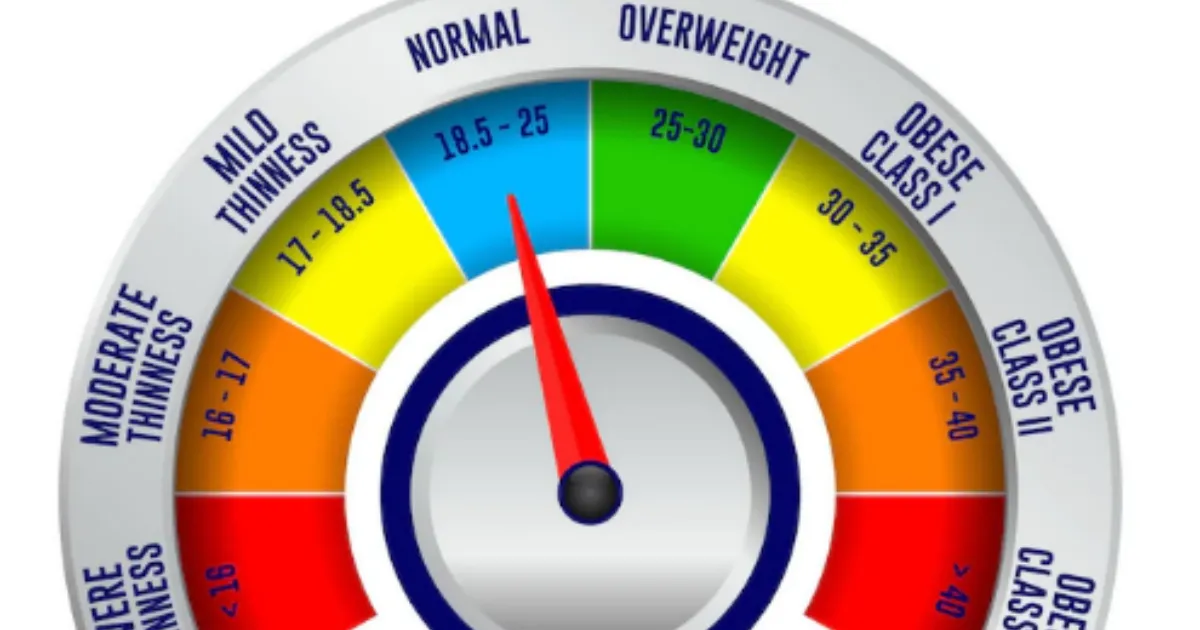
Step 2: Consult the BMI Chart: The Army and PAF primarily use the Body Mass Index (BMI) as an initial screening tool. Generally, a BMI between 18.5 and 24.9 is the “Green Zone.”
-
Step 3: Check the Age-Specific Tables: Requirements relax slightly as you get older. A 17-year-old candidate for the PMA Long Course has stricter weight limits than a 28-year-old candidate for the Short Service Commission.
-
Step 4: Assess Your Body Composition: If you are heavily muscled and the scale says you are “overweight,” the medical board may perform a “waist-to-hip” ratio or skinfold test to ensure it is muscle, not fat.
-
Step 5: Adjust Your Caloric Intake: If you need to lose weight, aim for a deficit of 500 calories per day. If you need to gain, focus on protein-rich surplus.
-
Step 6: Consistent Cardio and Strength Training: Mix running (for endurance) with bodyweight exercises like push-ups and pull-ups to ensure your weight is functional.
The Math Behind the Military Weight Standard
The primary formula used by the Pakistan Army and PAF medical boards is the Body Mass Index (BMI), though they often refer to a simplified Height-to-Weight Chart.
The formula for BMI is:
How to calculate it:
-
Convert your height from inches to meters (e.g., 5’7″ is approx. 1.70m).
-
Square that number ($1.70 \times 1.70 = 2.89$).
-
Divide your weight in kilograms by that result.
The Military Threshold:
-
Underweight: BMI < 18.0 (Likely temporary rejection/T-Unfit)
-
Ideal: BMI 18.5 – 24.5 (Fit)
-
Overweight: BMI 25.0 – 29.9 (Usually given a 3-4 week deadline to lose weight)
-
Obese: BMI > 30.0 (Permanent or serious temporary rejection)
Real-Life Scenarios: Are You Fit to Join?
To make this clearer, let’s look at how two different candidates might be assessed during their initial medical exam.
Scenario A: The Aspiring Pilot (PAF)
Ahmed is 19 years old and stands 5’9″ (175 cm). His current weight is 82 kg.
-
Calculation: His BMI is approximately 26.8.
-
Verdict: Ahmed is considered “Overweight” by PAF standards. For a GD Pilot, the standards are exceptionally lean. He would likely be marked “Temporary Unfit” and told to return in 30 days after losing 5-7 kg.
Scenario B: The PMA Long Course Candidate
Zain is 18 years old and is 5’6″ (167 cm). He weighs 52 kg.
-
Calculation: His BMI is approximately 18.6.
-
Verdict: Zain is right on the edge of the “Underweight” category but falls within the “Fit” range. However, the medical officer might advise him to build more muscle mass to handle the rigors of Kakul Academy.
Frequently Asked Questions (FAQs)
1. What happens if I am 2-3 kg over the limit on the medical day?
In most cases, for the initial medical, the doctors are lenient if you show a fit physique. They may mark you “Fit” but advise you to lose it before ISSB. If you are significantly over, you will be given a “Temporary Unfit” status and a date to reappear.
2. Does the PAF have different weight rules than the Army?
Yes. The PAF, especially for the GD (P) branch, is generally stricter. Pilots must fit into specific seat dimensions and handle high G-forces, where excess body fat can impede blood circulation and lead to “G-LOC” (G-induced Loss of Consciousness).
3. Can I be rejected for being too thin?
Absolutely. Being underweight (typically a BMI below 17.5 or 18) suggests a lack of physical strength and bone density. The military requires a certain level of “robustness” to carry heavy gear and perform under stress.
Conclusion & CTA
Meeting the Ideal Body Weight for the Army or PAF is more than just a box to tick—it is the foundation of your career as a soldier or airman. Your weight is a reflection of your discipline, your health, and your readiness to serve. Don’t wait for the medical officer to tell you that you’re unfit; take control of your fitness today.
Ready to start your journey? Use the BMI formula provided above to check your current status. If you’re within the range, focus on stamina. If not, start your training regime today!
Leave a Reply